"What's the best way to advertise my dealership, Google or Facebook?" is the wrong first question, and the platforms love that you're asking it. Both will happily take your budget. The right first question is: when the click lands, does the page it lands on sell cars? Because the honest answer to Google vs Facebook is "both work, differently", and neither works pointed at a weak website.
With that said, the two platforms do very different jobs, and knowing which job you need is what saves you money. Here's the plain-language version.
Google Ads: catching buyers who are already searching
Google Ads puts you in front of someone the moment they type what they want: "Fortuner for sale Cape Town", "used bakkies under R200 000", "car dealerships near me". That intent is the whole value. The buyer exists, the demand exists, you're just bidding to be the one they see first.
The strengths: the highest-intent clicks in the business, and location targeting that matches how people actually buy cars, close to home. The catches: those clicks cost real money because every dealer wants them, it only works where search volume exists for what you stock, and a search click is ruthless. Someone searching "near me" wants stock, prices and directions within seconds of landing, or they're back on Google tapping your competitor.
One quiet win almost every dealer should take: bid on your own dealership name. It's cheap, it puts your own site above the marketplaces and lead-reseller pages that rank on your name, and it protects the buyers who are already looking for you specifically.
Meta (Facebook and Instagram): creating the shortlist
Meta ads work the opposite way. Nobody on Facebook is searching for a car right now, but a huge share of your next six months of buyers are scrolling there tonight. Meta lets you put real cars, real prices and your dealership's name in front of people in your area, repeatedly, at reach far cheaper than search clicks.
That does a job Google can't: it plants you on the shortlist before the buyer starts searching. When they do start, you're not a stranger. Cars are also perfect Meta creative, they're visual, local and priced, which is why dealer ads that show actual stock with actual numbers consistently beat generic "quality used cars" branding fluff.
The catch is discipline. Meta will spend whatever you give it, so the difference between ads that sell cars and ads that burn budget is measurement: a pixel on your site, every ad tagged, every lead logged with its source.
So which one, in what order?
For most independent dealerships in South Africa, the practical sequence looks like this:
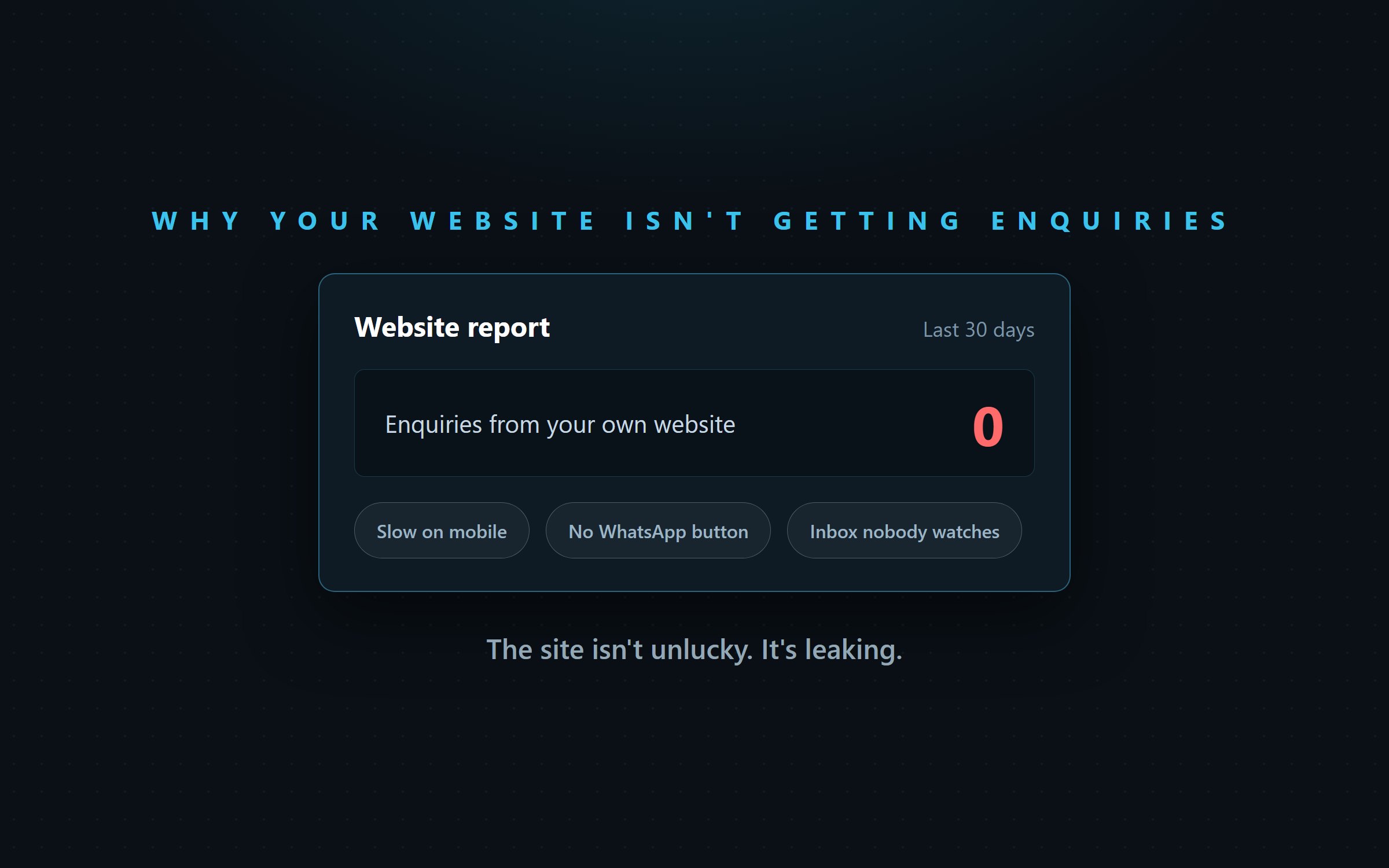
- Fix the destination first. Ads multiply what your website already does. If the site leaks, ads make the leak more expensive. We've covered the leaks in why your website isn't getting enquiries.
- Start with Meta. A few hundred rand a day, targeted around your physical area, showing real stock, pointed at your own site. It's the cheapest way to build local awareness and generate enquiries at the same time.
- Add Google where intent is proven. Your dealership name first, then the searches your stock genuinely answers, model plus city. Let what buyers actually search for tell you where to spend.
The three rules that matter more than the platform
- Send clicks to your own website, never a marketplace. Paying Meta or Google to deliver buyers to a listing portal is paying to rent an audience twice. The whole argument is in own your buyers, don't rent them.
- Track to the enquiry, not the click. Well-run SA dealer campaigns land in the region of R150 to R350 per lead. You only know your number if every lead carries its source. Clicks and likes are the platforms' scoreboard, not yours.
- Judge on cost per car sold. Cheap leads that never buy are expensive. The ad that produced fewer, better enquiries is often the winner, and you can only see that if enquiries are logged and followed to the sale.
The uncomfortable truth: most dealership ad budgets don't fail on platform choice. They fail because the click lands on a site that doesn't convert, and because nobody can say which rand produced which sale. Fix those two and either platform works.
This is exactly how we run marketing for dealerships: ads on the platform that fits the job, pointed at a site you own, measured all the way to the enquiry. If you'd like us to look at what your current spend is actually producing, book the free audit and we'll show you.